Choosing Your First Dance Song (and Surviving the Dance)
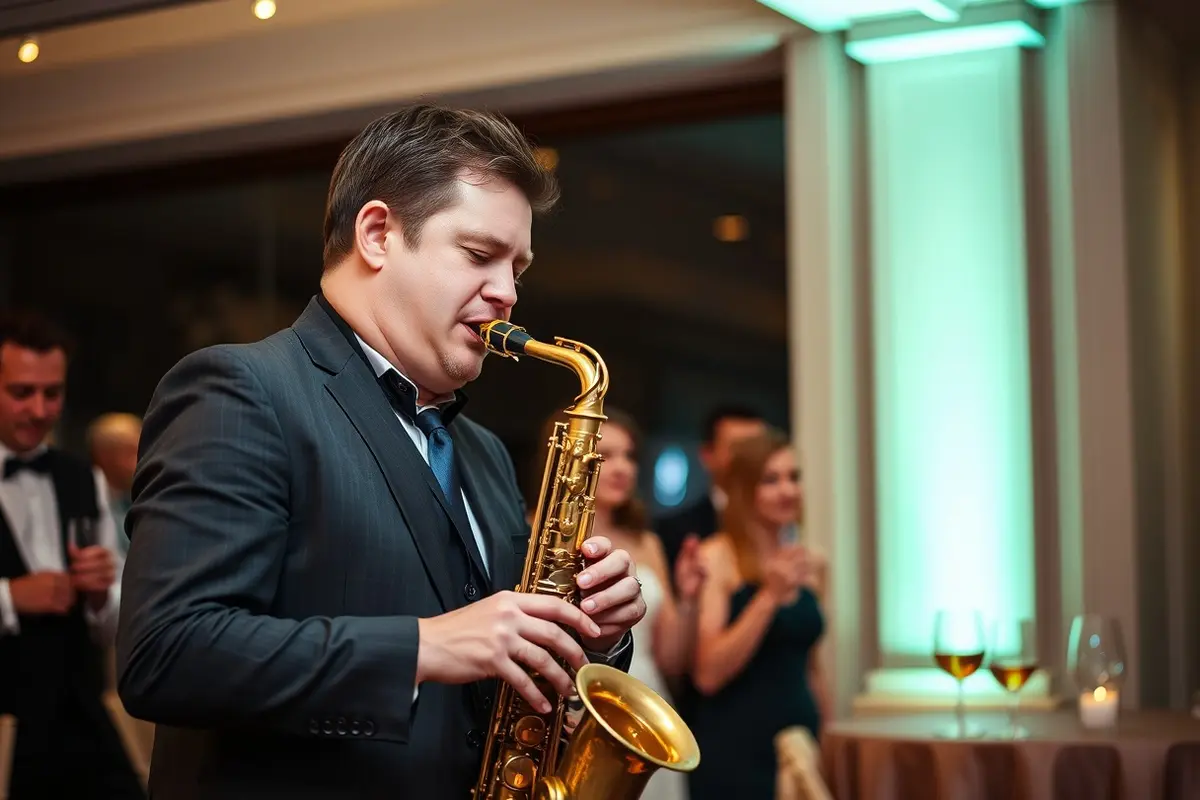
The ideal first dance runs 2 to 2.5 minutes, but most first dance songs run 3.5–4.5 minutes at full length - which is why the single highest-value move is asking your DJ for an edited version that fades cleanly around the 2:15 mark. Song choice matters less than three filters: length, tempo (60–90 BPM is the sway zone), and whether the lyrics survive a second listen.
Most couples spend weeks debating the song and zero minutes on the part guests actually notice - how long you're out there, whether you look comfortable, and how the moment ends. This guide covers how to pick a song that works on a dance floor and not just in the car, how edits and fades actually get made, when dance lessons are worth the money, and what to do if a three-minute solo spotlight sounds like your personal nightmare.
How long should a first dance be?
Two to two and a half minutes. That's long enough for your photographer and videographer to get every angle - the entrance, the wide shot, both faces, the parents' reactions - and short enough that you're not still swaying in silence while 120 people watch.
The math working against the full song:
- Most recorded songs run 3:30–4:30. A slow sway covers all the "moves" a non-dancer has in about 45 seconds. The remaining three minutes is repetition, in heels, under lights.
- Guests disengage around the 2-minute mark. They've taken their photos, they've teared up if they're going to, and now they're checking whether the bar is open.
- Photo coverage is done in 90 seconds. Every shot on the standard list gets captured early; the back half of a long song adds nothing to the album.
- Your dress and your nerves are working against you. A bustled gown and a full room are tiring in a way the living room rehearsal never revealed.
If a full-length song matters to you - it was playing when you got engaged, it's non-negotiable - dance the first half alone and have the DJ invite the wedding party or all couples out for the back half. You get the whole song without the whole spotlight.
How do you pick a first dance song that actually works?
Run every candidate through three filters, in this order: tempo, lyrics, then meaning. Couples usually start with meaning and end up committed to a song that's undanceable or quietly about a breakup.
Filter 1: tempo
The comfortable sway range is roughly 60–90 BPM. Slower than that and the song drags; the awkward zone is 100–120 BPM - too fast to sway, too slow to actually dance - and it's where a surprising number of "romantic" pop songs live.
| Tempo range | How it feels on the floor | Skill needed | Watch out for |
|---|---|---|---|
| 60–75 BPM (classic ballad) | Slow sway, easy to stay on beat | None | Can drag past 2:30 - edit it |
| 75–90 BPM (modern slow song) | Natural walking-pace sway | None to minimal | Long instrumental intros |
| 90–110 BPM (mid-tempo) | The awkward zone - swaying looks rushed, dancing looks stiff | A lesson or two | Most common mismatch |
| 110–130 BPM (upbeat) | A real dance - swing, two-step, or choreography | 3+ lessons | Great with prep, rough without |
| 6/8 or waltz time | Sweeping, old-Hollywood feel | 1–2 lessons for a basic box step | Counting in 3 takes practice |
Test it before you commit: play the song in your kitchen and slow-dance to the entire thing. If you're bored, off-beat, or laughing by minute two, that's your answer - and it cost you nothing to find out.
Filter 2: lyrics that hold up
Play the whole song and read the full lyrics, because verse two is where romantic-sounding songs go wrong. Common traps:
- Breakup songs in disguise. A huge share of slow songs with a loving chorus are actually about losing someone, wanting someone back, or watching a relationship end. The chorus works; the verses don't.
- Songs about someone very specific - an ex, a late parent, a child. Beautiful songs, wrong slot.
- The explicit-verse surprise. The radio edit is clean; the album version your DJ has isn't. Specify the exact version in writing.
- "Love you till I die" escalation. A passing lyric is fine; a song that's fundamentally about death or grief reads differently on a dance floor with grandparents watching.
If the melody is right and the lyrics aren't, instrumental covers solve it - string-quartet and piano versions of most popular songs exist, they photograph the same, and nobody's aunt is parsing verse two.
Filter 3: meaning
This filter is last on purpose. "Our song" is the right pick only if it also passes tempo and lyrics. If it fails either, use it somewhere else in the night - the ceremony processional, cake cutting, or the last dance. Mapping songs to the right slots is most of what a good wedding music timeline does.
How do edits and fades actually work?
You don't dance to the full track; you dance to a version that starts where you want and ends cleanly. Here's how that gets made:
- Your DJ does it. Most professional wedding DJs include one or two custom edits in their package; confirm it's included when you book. A standalone edit from an editing service typically runs $25–$100 per song in 2026.
- A fade beats a hard cut. The clean move is a 5–10 second fade starting at the end of a chorus - a musical sentence finishing, not a song being switched off. Give your DJ the timestamp ("fade after the second chorus, around 2:20") rather than a vague "make it shorter."
- Kill the intro. Many songs open with 20–40 seconds of instrumental. Standard practice is starting the track at the first vocal, with the DJ announcing you during those cut bars instead.
- Live bands edit differently - and often better. A bandleader can compress an arrangement to any length and land a real ending instead of a fade, which is one genuine advantage in the DJ vs. live band decision. Tell them the target length at least a month out so they can rehearse the short arrangement.
- Rehearse to the edit, not the original. If you practice to the 4:10 album version and dance to the 2:15 edit, the fade will catch you mid-move. Get the actual file from your DJ two weeks out and use it for every practice run.
- Confirm the exact version. Studio vs. live vs. remaster vs. acoustic - they differ in tempo and length. Name the album and year in your DJ's planning form, and put "play this file, not a streaming version" in writing if you had a custom edit made.
Are wedding dance lessons worth it?
Worth it if any of these are true: you're doing anything beyond a sway, your song is in the awkward 90–110 BPM zone, one of you is genuinely nervous, or you're paying for videography - a $2,000+ film of two people shuffling in a circle is a common regret. Skip lessons if you've picked a 70 BPM ballad, you're comfortable, and you're doing a 2-minute sway with a dip at the end.
What lessons cost in 2026:
| Option | Typical 2026 cost | What you get | Makes sense when |
|---|---|---|---|
| Practice at home | $0 | Comfort with the edit, a basic sway | Easy song, low nerves |
| One private lesson | $75–$135 | Posture, a basic step, an ending pose | You want polish, not a routine |
| 3–5 lesson package | $250–$550 | A repeatable pattern, a dip, transitions | Mid-tempo song or a videographer |
| Full choreography (6–10 sessions) | $500–$1,000+ | A staged routine to your exact edit | Dance-floor confidence or a surprise number |
Getting your money's worth:
- Start 2–3 months out, finish early. One lesson a week with home practice in between beats a cram session the week of - which is also when your schedule collapses anyway. It's worth a line on your planning checklist around the two-month mark.
- Bring the actual edit to lesson one. Instructors choreograph to timestamps. Changing the song after lesson three restarts the clock.
- Rehearse in the real shoes at least twice, and practice with the dress bustled if the gown has a train - a bustle changes how you turn, and a heel through a French bustle mid-dance is a classic failure mode.
- Learn an ending. The single highest-value thing a lesson buys is the final pose - a dip or a kiss timed to the fade. It's the photo that gets framed, and it signals clearly to the room that the dance is over.
What are the alternatives to a solo spotlight dance?
The first dance is a tradition, not a requirement. If a spotlight sounds miserable, pick the version of the moment you'll actually enjoy:
- The 60-second spotlight. Dance one verse and chorus alone, then the DJ invites all couples - or the whole room - to join. You get the photos and the moment at a fraction of the exposure. This is the most common compromise for spotlight-shy couples.
- The private first dance. Ten minutes alone in the reception room before guests enter - or on the patio during cocktail hour - with just your photographer. No audience, unhurried, and often better photos because nobody's performing.
- A private last dance instead. Guests move outside for the send-off lineup while you two take one song alone in the emptying room. Increasingly the emotional peak of the night, and it works alongside or instead of a first dance.
- Fold it into the entrance. Walk in to your song, dance the final minute of it, and roll straight into dinner. The moment happens; the standalone event doesn't.
- The anniversary dance. All married couples start on the floor and the DJ dismisses them by years married until the longest-married couple remains. You're on the floor but never alone on it.
- A choreographed surprise number. Fun, memorable, and honestly a lot of work - budget $500–$1,000 in lessons and 15–20 hours of combined rehearsal, and have a plan for the moment the routine goes sideways, because with no backup it visibly stalls.
- Skip it entirely. Have your DJ open the floor for everyone after dinner. Nobody will file a complaint, and the couples who dread dancing rarely regret this.
Whatever you choose, tell your photographer, videographer, and DJ the plan in advance - a private last dance nobody briefed the videographer on is a moment that exists only in your memory.
Where does the first dance go in the reception timeline?
The two standard slots are right after your grand entrance or right after dinner, and the trade-off is simple: energy versus nerves.
- After the entrance (most common): guests are seated and attentive, your hair and dress are at their freshest, and the applause from the entrance rolls straight into the dance. The catch - you're dancing on zero warm-up, immediately after walking in.
- After dinner: you've had a drink and an hour to settle, and the dance kicks off open dancing - dance, then parent dances, then the floor opens and stays open. The catch - after 90 minutes of dinner lighting and wine, the room's attention is softer.
- Either way, protect the handoffs. The DJ needs to know exactly what's announced before and after; a first dance that ends into dead air undoes the moment. This is the kind of sequencing worth writing into your wedding day timeline rather than deciding live.
- Do a 30-second sound check. Have the DJ or bandleader confirm the edit plays from the right file at the venue, at volume, before guests enter. The wrong-version-starts-playing moment happens every wedding season, and it's entirely preventable.
Frequently asked questions
How long should our first dance song be after editing?
Aim for 2:00–2:30. Under 90 seconds feels abrupt for photos; past three minutes you're repeating the same sway while guests drift. If you can't bear to cut the song, dance half solo and bring everyone else in for the rest.
How much does a custom song edit cost?
Most wedding DJs include one or two edits in their standard package, so often nothing - confirm before you book. Hiring it out separately typically runs $25–$100 per song in 2026. A live band builds the shortened arrangement into rehearsal; just give the bandleader your target length at least a month ahead.
Do we need dance lessons for a basic sway?
No. For a 60–75 BPM ballad and a simple sway, home practice with the actual edit is enough. Spend on lessons when the song is mid-tempo, nerves are real, or you've hired a videographer - expect $75–$135 for a single private lesson and $250–$550 for a package that produces a genuinely comfortable two minutes.
Can we dance to the recorded track if we hired a band?
Yes, and couples do it regularly when the original recording matters to them. Any professional band can play a track through their system for the first dance and perform live the rest of the night - just confirm the file, the version, and who presses play in writing.
Ready to find your music & djs?
Browse verified music & djs on Weddli, with real reviews and transparent profiles.
Browse Music & DJs